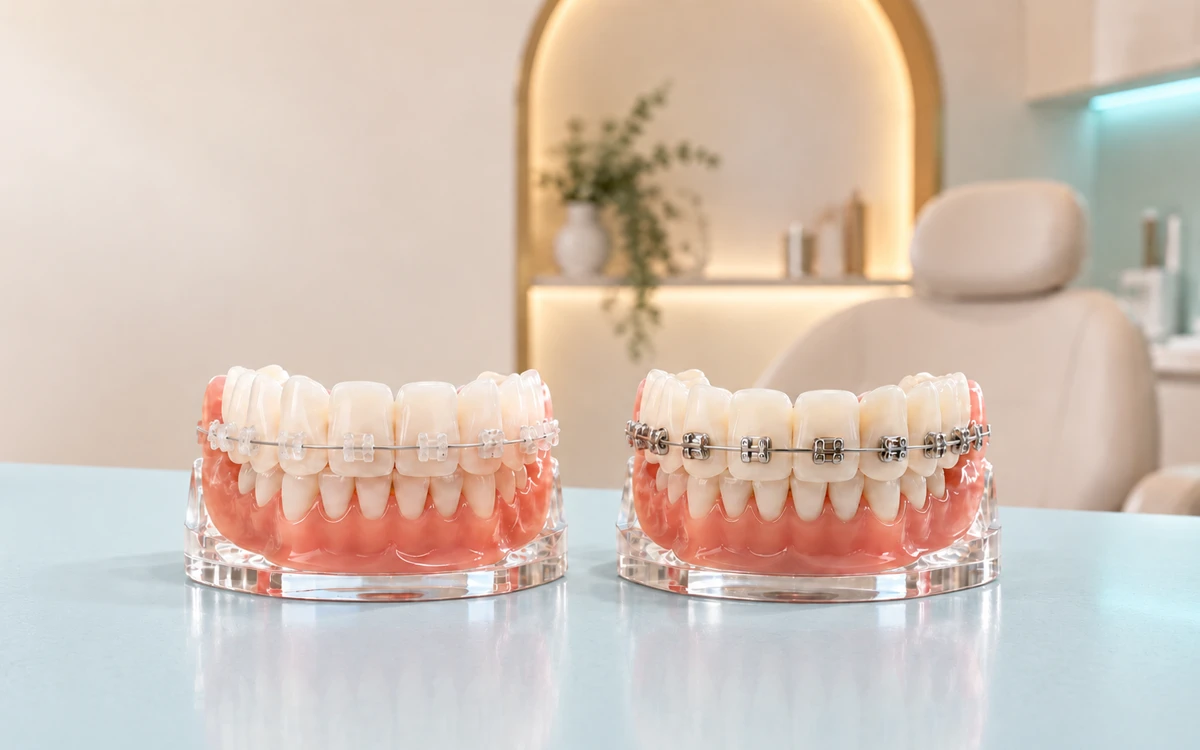
Zirconia Crowns in Dubai: Benefits, Uses & How They Compare With Other Crowns
Understand crown materials before choosing a restoration.
Introduction
A damaged, weakened, heavily filled, or root-treated tooth may need more protection than a filling can provide. In these situations, a dental crown may be recommended to restore the tooth's shape, function and appearance.
Among the different crown materials available today, zirconia crowns are frequently considered because zirconia is a strong ceramic material that can be used for dental restorations.
But is a zirconia crown right for every tooth?
Not necessarily.
The most suitable crown depends on factors such as the location of the tooth, the amount of remaining tooth structure, your bite, aesthetic requirements, oral health and the type of restoration your dentist recommends.
If you are considering zirconia crowns in Dubai, this guide explains what they are, when they may be used, their potential benefits and limitations, and how they compare with other common crown options.
Your guide to zirconia crowns.
What Is a Zirconia Crown?
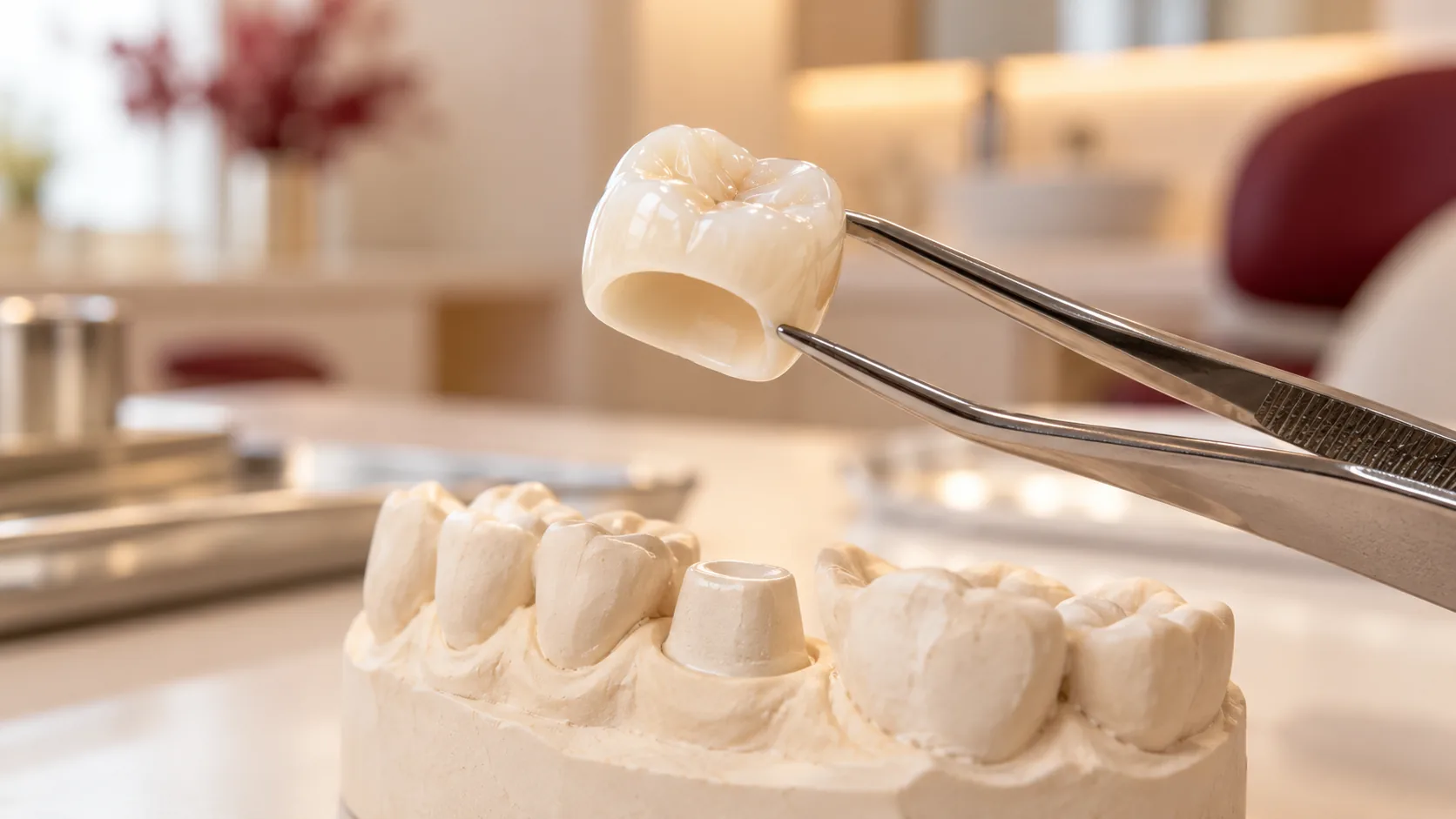
A zirconia crown is a dental crown made from zirconium dioxide, a ceramic material used in restorative dentistry.
A crown is designed to cover and protect a prepared tooth or, in certain situations, an implant-supported restoration.
Depending on the case, zirconia can be used for crowns on:
Front teeth
Premolars
Molars
Root-treated teeth
Dental implants
Zirconia is a ceramic rather than a metal alloy. This makes it one of the options considered when both strength and tooth-coloured appearance are important.
However, zirconia is not a single uniform material. Different types and formulations of zirconia are available, with different optical and mechanical characteristics.
Your dentist should select the appropriate material based on the tooth being restored and the clinical requirements.
When Might You Need a Dental Crown?
A crown may be recommended when a tooth requires more protection or structural restoration than a filling can provide.
Common situations include:
1. A Heavily Damaged Tooth
A tooth with substantial structural loss may require a crown to restore its shape and protect the remaining tooth structure.
2. A Tooth With a Large Filling
Large existing fillings can leave less natural tooth structure remaining. Depending on the condition of the tooth, a crown may be considered.
3. A Root Canal-Treated Tooth
Teeth that have undergone root canal treatment may require additional restoration depending on how much tooth structure remains and the location of the tooth.
Your dentist will assess the tooth before deciding whether a crown is appropriate.
4. A Cracked or Fractured Tooth
Certain cracked or fractured teeth may require a crown to restore and protect the remaining tooth structure.
However, not every crack can be treated with a crown. The location and extent of the fracture need to be evaluated.
5. A Worn or Misshapen Tooth
In selected cases, a crown may be used to restore the shape and function of a significantly worn or structurally compromised tooth.
6. An Implant-Supported Crown
A crown can also be attached to a dental implant to replace the visible portion of a missing tooth.
Implant treatment is different from placing a crown over a natural tooth, and the treatment plan depends on the individual case.
Why Are Zirconia Crowns Used?
Zirconia has several characteristics that make it useful for dental crowns.
1. High Strength
Zirconia has high mechanical strength compared with many other ceramic materials.
This is one reason zirconia is commonly considered for posterior teeth, where chewing forces can be substantial.
The suitability of any crown material still depends on factors such as tooth position, bite and the patient's individual circumstances.
2. Tooth-Coloured Appearance
Zirconia is a ceramic material and can be manufactured in tooth-coloured forms.
Modern zirconia materials are available in different levels of translucency and can be selected according to the aesthetic requirements of the restoration.
For front teeth, the dentist and dental laboratory need to consider factors such as:
Tooth shade
Translucency
Shape
Surface texture
Surrounding teeth
Gum position
3. Metal-Free Restoration
Zirconia crowns do not require a conventional metal substructure.
For patients who prefer a metal-free restoration, zirconia can therefore be one of the materials discussed with their dentist.
4. Suitable for Different Areas of the Mouth
Depending on the material and clinical situation, zirconia can be used for both anterior and posterior restorations.
The appropriate type of zirconia should be selected based on the tooth's function and aesthetic requirements.
5. Resistance to Wear and Fracture
Zirconia has good mechanical properties, although no dental crown is completely immune to damage.
The long-term performance of a crown depends on factors including:
Bite
Tooth position
Oral hygiene
Teeth grinding or clenching
Crown design
Material selection
Cementation
Regular dental care
Zirconia Crown vs Porcelain Crown: What's the Difference?
Patients often use the terms "porcelain crown" and "ceramic crown" broadly, but there are several different ceramic materials used in dentistry.
Zirconia itself is a type of ceramic.
Therefore, the more useful comparison is between zirconia and other ceramic systems, rather than simply zirconia versus "ceramic."
| Feature | Zirconia Crown | Other Ceramic Crowns |
|---|---|---|
| Material | Zirconium dioxide ceramic | Various dental ceramics |
| Appearance | Tooth-coloured; optical properties vary by zirconia type | Can provide highly aesthetic results |
| Strength | Generally high | Varies by ceramic type |
| Posterior use | Commonly considered | Depends on ceramic type and case |
| Anterior use | Possible with appropriate material selection | Commonly used depending on material |
| Metal-free | Yes | Usually yes |
| Material selection | Depends on strength and aesthetic requirements | Depends on the specific ceramic |
| Suitability | Depends on tooth, bite and clinical requirements | Depends on tooth, bite and clinical requirements |
There is no universally superior crown material.
The choice should be based on the tooth being restored and the balance between mechanical requirements and aesthetics.
Zirconia vs PFM Crowns
Another common comparison is between zirconia crowns and porcelain-fused-to-metal (PFM) crowns.
PFM crowns combine a metal substructure with a tooth-coloured porcelain layer.
Zirconia crowns, in contrast, use zirconia as the primary ceramic material without a conventional metal framework.
Zirconia Crowns
Potential considerations include:
Metal-free construction
High strength
Tooth-coloured appearance
Different zirconia formulations available
Suitable for selected front and back teeth
PFM Crowns
Potential considerations include:
Long history of clinical use
Metal substructure
Porcelain outer layer
Different aesthetic characteristics
Suitable for many restorative situations
Neither option is automatically appropriate for every patient.
Your dentist will consider the condition and location of the tooth before recommending a crown material.
Zirconia Crown vs Metal Crown
Traditional full-metal crowns are made from dental alloys rather than ceramic.
Metal crowns can provide substantial strength and durability, particularly for certain posterior teeth.
However, their metallic appearance may not be preferred when the restoration is visible during smiling.
Zirconia provides a tooth-coloured alternative while maintaining strong mechanical properties.
For a visible front tooth, aesthetics may carry greater importance.
For a back tooth, chewing forces and available space may become more significant factors.
The decision should therefore be made based on the individual tooth rather than simply choosing a material based on its name.
Are Zirconia Crowns Good for Front Teeth?
Zirconia crowns can be used on front teeth, but material selection is particularly important in the aesthetic zone.
Front teeth are visible when you smile, so your dentist may need to consider:
Translucency
Shade
Shape
Tooth proportions
Gum position
Adjacent teeth
Facial appearance
Your aesthetic expectations
Some zirconia materials are more translucent than others.
In certain aesthetic cases, another ceramic material may be considered depending on the desired optical characteristics.
Your dentist can assess the tooth and explain which material is most suitable.
Are Zirconia Crowns Suitable for Back Teeth?
Zirconia is commonly considered for posterior teeth because of its mechanical properties.
Back teeth are exposed to significant chewing forces, particularly in patients who clench or grind their teeth.
However, strength is only one part of the decision.
Your dentist may also assess:
Available tooth structure
Bite
Occlusal forces
Tooth position
Space available for the crown
Existing restorations
Gum health
Root condition
A zirconia crown should be selected because it is appropriate for the specific tooth—not simply because zirconia is a strong material.
What Is the Zirconia Crown Procedure?
The exact procedure varies depending on the condition of the tooth and the type of crown being placed.
A typical process may involve the following stages.
Step 1: Examination
Your dentist examines the tooth and surrounding tissues.
Depending on the situation, dental X-rays or other diagnostic assessments may be required.
The dentist will determine whether the tooth can be restored and whether a crown is appropriate.
Step 2: Treatment Planning
Your dentist discusses:
The condition of the tooth
Crown material options
Functional requirements
Aesthetic considerations
Treatment sequence
Expected maintenance
If you are considering zirconia because of its appearance or strength, this is the stage to discuss your priorities.
Step 3: Tooth Preparation
If the crown is being placed over a natural tooth, the tooth is prepared to create space for the restoration.
The amount of preparation depends on the tooth and the selected restoration.
Step 4: Digital or Traditional Impression
The dentist records the shape and position of the prepared tooth.
Depending on the clinic and case, this may be done using a digital intraoral scanner or conventional impression techniques.
The information is then used to design and fabricate the crown.
Step 5: Temporary Crown
In appropriate cases, a temporary crown may be placed while the final restoration is being fabricated.
The dentist will provide instructions on caring for the temporary restoration.
Step 6: Zirconia Crown Fitting
Once the final crown is ready, the dentist checks:
Fit
Contact with neighbouring teeth
Bite
Shape
Colour
Overall appearance
Adjustments may be made if required.
Step 7: Cementation
Once the dentist is satisfied with the fit and function, the crown is secured to the tooth using an appropriate dental cement or bonding protocol.
How Long Do Zirconia Crowns Last?
There is no single lifespan that applies to every zirconia crown.
The longevity of a crown depends on several factors, including:
Oral hygiene
Bite
Tooth location
Crown design
Material selection
Teeth grinding or clenching
Quality of the underlying tooth
Gum health
Regular dental examinations
A crown is not a substitute for good oral hygiene.
Even when a crown itself remains intact, the tooth underneath can develop decay or other problems if oral hygiene is inadequate.
Regular dental checkups allow your dentist to monitor both the crown and the underlying tooth.
What Are the Potential Benefits of Zirconia Crowns?
Zirconia crowns may offer several advantages in appropriately selected cases.
Strength
Zirconia has strong mechanical properties and can be considered for teeth exposed to significant chewing forces.
Tooth-Coloured Appearance
Unlike full-metal crowns, zirconia restorations can be produced in tooth-coloured shades.
Metal-Free
Zirconia crowns do not use a conventional metal framework.
Versatility
Different zirconia formulations can be selected depending on the functional and aesthetic requirements of the restoration.
Suitable for Various Restorative Situations
Zirconia may be considered for natural teeth and implant-supported restorations depending on the clinical situation.
However, these potential benefits do not mean zirconia is automatically the right material for every patient.
What Are the Limitations of Zirconia Crowns?
It is equally important to understand the limitations.
The Appearance Depends on the Material
Not all zirconia looks the same.
Different formulations have different levels of translucency and optical characteristics.
For highly aesthetic front-tooth cases, another ceramic may sometimes be considered.
They Can Still Chip or Fracture
Although zirconia has high strength, no crown material is immune to damage.
Excessive biting forces, trauma or teeth grinding can affect the restoration.
They Require Tooth Preparation
When a zirconia crown is placed on a natural tooth, the tooth generally needs to be prepared to accommodate the restoration.
The amount of preparation depends on the clinical situation.
The Crown Does Not Treat Underlying Gum Disease or Decay
Any active dental disease should be appropriately managed before definitive crown treatment.
A crown restores the tooth; it does not eliminate the need for ongoing oral health care.
How Much Does a Zirconia Crown Cost in Dubai?
The cost of a zirconia crown in Dubai can vary depending on the individual treatment plan.
Factors that may influence the price include:
Number of crowns required
Tooth location
Condition of the tooth
Type of zirconia selected
Laboratory involved
Complexity of the restoration
Whether root canal treatment is required
Whether additional dental treatment is needed
For example, the cost of restoring a single front tooth may differ from the cost of restoring multiple posterior teeth.
A dental examination is therefore necessary to determine the appropriate treatment and provide an accurate treatment plan.
At WhiteLine Dental Clinic, crown treatment options can be discussed with a dentist after assessing your teeth and individual requirements.
Zirconia Crown vs Dental Bridge
A crown and a dental bridge are not interchangeable treatments.
A crown generally restores an individual damaged tooth.
A dental bridge can be used to replace a missing tooth by connecting a replacement tooth to supporting teeth or other structures, depending on the bridge design.
For example:
Damaged natural tooth → Crown
Missing tooth → Bridge or implant-supported restoration may be considered
The appropriate treatment depends on the number of missing teeth, condition of neighbouring teeth, bone support, bite and overall oral health.
Zirconia Crown vs Dental Implant
These are also different parts of dental treatment.
A dental implant replaces the root portion of a missing tooth.
A crown replaces the visible tooth portion.
For an implant-supported tooth, the final restoration may include:
Dental implant → Abutment → Crown
Therefore, a zirconia crown can sometimes be used as the visible restoration on top of a dental implant.
Your dentist or implant specialist can explain which combination is appropriate for your case.
How Should You Care for a Zirconia Crown?
A zirconia crown still requires normal oral hygiene.
Brush Twice Daily
Brush your teeth twice a day using fluoride toothpaste unless your dentist recommends otherwise.
Clean Between Your Teeth
Use floss or an interdental cleaning method recommended by your dentist.
Avoid Using Teeth as Tools
Do not use your teeth to open packages or bite hard non-food objects.
Manage Teeth Grinding
If you grind or clench your teeth, tell your dentist.
A night guard may be considered in appropriate cases to help protect the teeth and restorations from excessive forces.
Attend Regular Dental Checkups
Your dentist can check:
Crown margins
Bite
Gum health
Underlying tooth
Adjacent teeth
Oral hygiene
When Should You Consider a Zirconia Crown Consultation?
You may need a dental crown assessment if you have:
A heavily damaged tooth
A large filling
A fractured or weakened tooth
A tooth that has undergone root canal treatment
Significant tooth wear
A damaged existing crown
A missing tooth requiring an implant-supported restoration
You should not decide on the crown material before your dentist evaluates the tooth. A clinical examination helps determine whether a crown is actually needed and which material is appropriate.
Frequently Asked Questions About Zirconia Crowns in Dubai
Not necessarily. Zirconia and other ceramic materials have different properties and indications. The appropriate option depends on the tooth, bite, aesthetic requirements and restorative needs.
Why Choose WhiteLine Dental Clinic for Dental Crowns in Dubai?
At WhiteLine Dental Clinic in Al Rigga, Deira, Dubai, crown treatment is provided as part of the clinic's restorative dental services.
The clinic provides dental treatments including:
Dental crowns
Dental bridges
Dental implants
Dental fillings
Root canal treatment
Tooth extraction
Teeth cleaning
Dental veneers
Teeth whitening
Braces
Invisalign
A crown consultation allows the dentist to assess the condition of the tooth and discuss suitable restorative options.
Rather than selecting a crown material based only on price or appearance, the dentist can consider the tooth's structural condition, location, bite and aesthetic requirements.
Final Thoughts
A zirconia crown can be a useful restorative option for appropriately selected patients because zirconia combines ceramic aesthetics with strong mechanical properties.
However, zirconia is not automatically the right choice for every tooth.
The decision between zirconia, other ceramic materials, PFM or metal crowns should take into account:
The condition of the tooth
Amount of remaining tooth structure
Tooth location
Bite and chewing forces
Aesthetic requirements
Oral and gum health
Teeth grinding or clenching
Long-term maintenance
If you are considering a zirconia crown in Dubai, start with a dental examination rather than choosing a material based solely on online comparisons.
Book a Dental Crown Consultation at WhiteLine Dental Clinic
If you have a damaged, weakened or heavily restored tooth, speak with a DHA-licensed dentist about your restorative options.
Book your dental consultation to discuss whether a zirconia crown or another restoration is suitable for your tooth.
More from the journal.
Composite Veneers in Dubai: What They Are, Who They Suit & How They Compare
Why Do Gums Bleed? Common Causes and When to See a Dentist