Dental Care Before Chemotherapy: What Patients Should Know
Pinktober: preparing your oral health for cancer treatment.

Introduction
Preparing for chemotherapy involves several important medical appointments, tests, and discussions with your oncology team. However, one aspect of preparation that patients may overlook is their oral health.
Did you know that certain dental problems can become more difficult to manage during chemotherapy?
Chemotherapy can temporarily affect the immune system, the tissues lining the mouth, and the body's ability to heal. For some patients, this can increase the risk of oral infections, mouth sores, gum problems, and other complications.
This is why a dental checkup before chemotherapy may be an important part of preparing for cancer treatment.
Whether you are preparing for chemotherapy for breast cancer or another type of cancer, understanding how to care for your teeth and gums beforehand can help you make informed decisions.
In recognition of Breast Cancer Awareness Month, WhiteLine Dental Clinic in Dubai shares what patients should know about dental care before chemotherapy, including recommended examinations, possible treatments, and precautions to discuss with their healthcare providers.
Your guide to dental care before chemotherapy.
Why Is Dental Care Important Before Chemotherapy?
Chemotherapy uses medications to destroy cancer cells or interfere with their growth.
However, some chemotherapy medications can also affect healthy cells, including cells involved in immune function and those lining the mouth.
During treatment, patients may experience:
Dry mouth
Mouth sores
Gum inflammation
Changes in taste
Increased susceptibility to certain infections
Difficulty eating or maintaining oral hygiene
Delayed healing in some circumstances
An existing dental infection, untreated cavity, or advanced gum problem may become more concerning if the immune system is weakened.
A dental examination before treatment allows the dentist to identify potential problems and determine whether preventive care or treatment is needed.
The purpose of a pre-chemotherapy dental assessment is to identify oral health risks and address appropriate concerns without unnecessarily delaying cancer treatment.
When Should You Visit the Dentist Before Chemotherapy?
Ideally, patients should inform their dentist as soon as they learn that chemotherapy is planned.
When the treatment schedule permits, arranging a dental examination several weeks before chemotherapy may provide time to assess oral health and complete necessary treatment.
However, the appropriate timing depends on:
When chemotherapy is scheduled to begin
The type of cancer and treatment regimen
The patient's medical condition
Whether dental infections are present
The type of dental treatment required
The expected healing period after any procedure
Some patients may have only a short period between diagnosis and treatment.
If chemotherapy is starting soon, a dental consultation may still be useful for identifying urgent concerns and providing oral hygiene guidance.
Do not postpone chemotherapy to complete routine dental work unless your oncologist specifically recommends a change to the treatment schedule.
Your dentist and oncology team should coordinate when dental treatment could affect the timing or safety of cancer care.
What Happens During a Dental Checkup Before Chemotherapy?
A pre-chemotherapy dental examination is intended to evaluate the condition of your teeth, gums, and oral tissues.
Your dentist may assess the following areas.
Teeth and Existing Fillings
The dentist checks for cavities, fractures, damaged fillings, and other structural problems.
Gum Health
The gums are examined for inflammation, periodontal disease, and signs of infection.
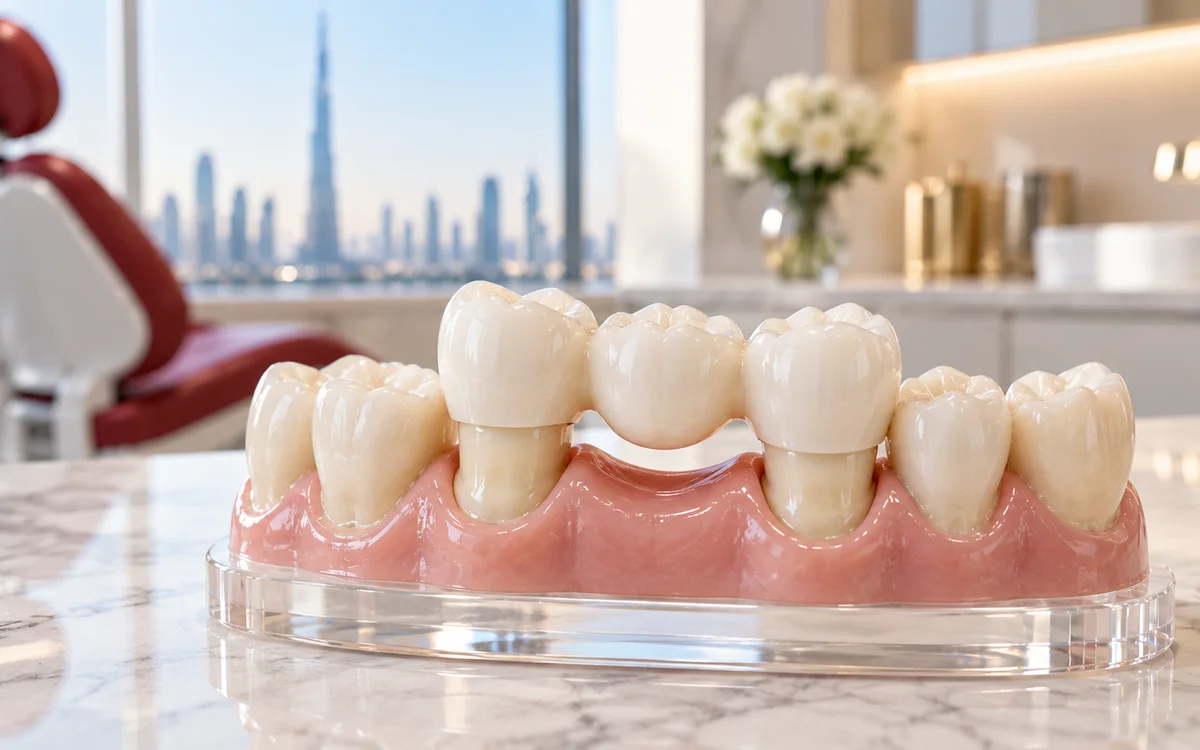
Existing Crowns and Bridges
Dental restorations may be checked for loose components, damaged margins, or areas that trap food and plaque.
Oral Soft Tissues
The dentist examines the tongue, cheeks, lips, palate, and other tissues for unusual lesions, ulcers, or signs of infection.
Dentures and Dental Appliances
Removable dentures or other appliances may be assessed for rough edges, pressure points, and irritation.
Dental X-rays
Dental imaging may be recommended when clinically appropriate to evaluate problems that cannot be fully identified through visual examination.
The findings help the dentist determine whether treatment is needed before chemotherapy begins.
Should Cavities Be Treated Before Chemotherapy?
If a patient has untreated tooth decay, the dentist may recommend treatment before chemotherapy when feasible.
However, not every cavity requires the same approach.
Small Cavities
Some cavities may be suitable for a relatively straightforward dental filling.
Deep Cavities
More extensive decay may require additional assessment to determine whether the tooth can be restored with a filling, crown, or another treatment.
Tooth Infection
If decay has affected the dental pulp and caused infection, root canal treatment or extraction may need to be considered.
The appropriate decision depends on the condition of the tooth, the patient's medical status, and the time available before chemotherapy.
The dentist should prioritise problems that may cause pain, infection, or complications during cancer treatment.
Should You Get Your Teeth Cleaned Before Chemotherapy?
Professional dental cleaning may be recommended as part of preventive care before chemotherapy.
Plaque and tartar can contribute to gum inflammation and periodontal disease.
A dental examination can help determine whether a patient would benefit from:
Routine scaling and polishing
Oral hygiene instruction
Management of gum inflammation
Periodontal assessment
Additional preventive treatment
However, patients with significant periodontal disease may require more than routine cleaning.
Deep periodontal procedures or other invasive treatment should be planned carefully, particularly when chemotherapy is scheduled to begin soon.
The dentist may need to coordinate treatment timing with the oncology team.
What If You Need a Tooth Extraction Before Chemotherapy?
A severely damaged or infected tooth may sometimes require extraction.
However, tooth extraction is an invasive procedure that requires appropriate healing.
If an extraction is being considered before chemotherapy, the dentist and oncologist should discuss:
The urgency of the dental problem
The patient's medical condition
Expected healing time
Risk of infection
Blood counts, when relevant
The chemotherapy start date
Whether a less invasive alternative is appropriate
Whenever possible, sufficient healing time should be allowed before chemotherapy begins.
The required interval varies according to the procedure, the patient's health, and the oncology treatment plan.
Patients should not undergo elective tooth extraction immediately before chemotherapy without appropriate medical and dental assessment.
Can Chemotherapy Affect Your Gums?
Yes. Certain chemotherapy treatments can affect the immune system and blood cell counts.
These changes may influence the gums and surrounding oral tissues.
For example, patients may experience increased susceptibility to infection or bleeding when blood counts are affected.
Existing gum disease may also complicate oral care during treatment.
Before chemotherapy, your dentist may assess:
Gum inflammation
Plaque and tartar deposits
Periodontal pockets
Tooth mobility
Signs of active infection
Areas of persistent bleeding
Maintaining gum health before treatment may help reduce preventable oral complications.
What Oral Problems Can Develop During Chemotherapy?
Understanding potential side effects can help patients prepare.
Not everyone will experience these problems, and their severity depends on the chemotherapy regimen and individual medical circumstances.
Dry Mouth
Some patients experience reduced saliva production or a persistent feeling of dryness.
Dry mouth can affect speaking, swallowing, eating, and oral comfort. It may also increase the risk of tooth decay.
Mouth Sores
Chemotherapy may cause oral mucositis, which can lead to painful inflammation or ulcers inside the mouth.
Oral Infections
Changes in immune function can increase susceptibility to certain infections, including oral fungal infections.
Taste Changes
Patients may notice metallic tastes, reduced taste sensitivity, or changes in food preferences.
Gum Bleeding
Some patients may develop bleeding problems related to changes in platelet counts or other medical factors.
Any unusual bleeding should be discussed with the oncology team.
How Should You Prepare Your Oral Hygiene Routine Before Chemotherapy?
A simple and gentle oral care routine can be helpful before treatment begins.
Brush Twice Daily
Use a soft-bristled toothbrush and fluoride toothpaste, unless your healthcare team recommends a different approach.
Clean Between Your Teeth
Floss or use another suitable interdental cleaning method if your gums and medical condition allow it.
If you develop significant bleeding, painful oral tissues, or low platelet counts during treatment, ask your oncology and dental teams whether your routine should be modified.
Avoid Irritating Mouthwashes
Alcohol-containing mouthwashes may worsen dryness or irritation.
Your dentist may recommend a gentler alternative.
Stay Hydrated
Drink water regularly unless your medical team has advised fluid restrictions.
Check Your Mouth
Look for unusual sores, swelling, white patches, or persistent bleeding.
Ask About Fluoride
Patients with dry mouth or increased cavity risk may benefit from additional fluoride measures prescribed or recommended by their dentist.
Should You Tell Your Dentist About Your Cancer Diagnosis?
Yes.
It is important to inform your dentist about your cancer diagnosis and planned treatment.
Your dentist may need information about:
Type of cancer
Planned chemotherapy regimen
Treatment start date
Current medications
Medical conditions
Previous cancer treatments
Recent blood tests, when relevant
Recommendations from your oncology team
This information helps the dentist determine which treatments are appropriate and whether medical clearance or coordination is required.
Patients should also tell their dentist if they are receiving medications such as bisphosphonates or denosumab, which may affect dental treatment planning because of the risk of medication-related osteonecrosis of the jaw.
What Dental Treatments Should Be Avoided Before Chemotherapy?
There is no universal list of dental treatments that must be avoided by every patient preparing for chemotherapy.
However, the urgency and timing of treatment should be carefully considered.
Elective procedures that are not medically necessary may sometimes be postponed, especially if they require healing or could interfere with cancer treatment.
Examples include:
Elective cosmetic veneers
Non-essential tooth whitening
Elective implant surgery
Other non-urgent invasive dental procedures
In contrast, treatment for an active dental infection may need to be prioritised.
The decision should be based on the patient's medical condition and the recommendations of the treating healthcare professionals.
Dental Care During Chemotherapy: What Changes?
Once chemotherapy begins, dental care may require additional precautions.
For certain procedures, the dentist may need to consider the patient's current blood counts and treatment schedule.
Low white blood cell counts can increase infection risk, while low platelet counts may increase bleeding risk.
This is especially important for invasive dental treatment.
Some routine dental care may still be possible, but the dentist should be informed about the patient's active cancer treatment.
Never assume that dental treatment is automatically safe or automatically prohibited during chemotherapy. The appropriate decision depends on the individual medical circumstances.
When Should You Seek Urgent Dental or Medical Attention?
Patients receiving chemotherapy should promptly report concerning oral symptoms.
Contact your oncology team urgently if you experience:
Fever of 38°C or higher, or the threshold specified by your oncology team
Severe mouth pain
Facial or gum swelling
Difficulty swallowing or drinking
Uncontrolled oral bleeding
Signs of dehydration
Rapidly worsening mouth sores
Suspected dental or oral infection
A fever during chemotherapy can indicate a serious infection and requires urgent medical assessment.
For tooth pain, broken restorations, or other dental concerns, inform your dentist and oncology team so that appropriate treatment can be coordinated.
Frequently Asked Questions About Dental Care Before Chemotherapy
A dental examination is often recommended when feasible, particularly if you have existing dental problems. It can help identify infections, cavities, gum disease, or other concerns that may require attention before treatment begins.
Why Early Dental Assessment Matters
The period before chemotherapy begins provides an opportunity to identify and address oral health concerns.
A dental examination may help:
- Identify untreated dental infections
- Detect cavities
- Assess gum health
- Review existing dental restorations
- Provide preventive oral care guidance
- Establish an appropriate dental care plan
- Coordinate necessary treatment with the oncology team
Early assessment does not guarantee that oral complications will be prevented.
However, it can support better preparation and help patients understand how to care for their mouths during cancer treatment.
Why Choose WhiteLine Dental Clinic for Preventive Dental Care in Dubai?
At WhiteLine Dental Clinic in Al Rigga, Deira, Dubai, we recognise that patients have different medical histories and treatment requirements.
For patients preparing for chemotherapy, dental care should begin with an understanding of their medical condition, current medications, and planned cancer treatment.
Our dental services include:
Dental examinations
Teeth cleaning
Gum health assessment
Dental fillings
Root canal treatment
Dental crowns and bridges
Preventive oral health guidance
Where appropriate, the dentist can discuss findings with the patient's oncology team before recommending treatment.
Patients requiring complex cancer-related dental care may need referral to an oral medicine specialist, oral and maxillofacial surgeon, or hospital-based dental service.
Our role is to support appropriate oral health assessment and dental care—not to replace specialist oncology treatment.
Final Thoughts: Prepare Your Oral Health Before Chemotherapy
Preparing for chemotherapy involves more than understanding the medications and treatment schedule.
Your oral health is also worth discussing with your healthcare team.
Untreated cavities, dental infections, gum disease, and other oral health concerns may become more difficult to manage during certain cancer treatments.
A dental checkup before chemotherapy can help identify potential problems and establish an appropriate preventive care plan.
The most important steps are to:
Arrange a dental examination when feasible.
Inform your dentist about your cancer diagnosis and treatment plan.
Discuss any necessary dental procedures with your oncology team.
Maintain gentle, consistent oral hygiene.
Report unusual oral symptoms promptly.
Your dental care and cancer treatment should work together to support your overall health.
Book a Dental Assessment at WhiteLine Dental Clinic
If you are preparing for chemotherapy and would like to discuss your oral health, arrange a dental consultation and inform our team about your upcoming cancer treatment.
Supporting your oral health through informed, coordinated dental care.
More from the journal.

How Breast Cancer Treatment Can Affect Your Oral Health
Dental Bridge in Dubai: Types, Cost Factors & What to Expect