Dental Care After Breast Cancer Treatment: What to Discuss With Your Dentist
Introduction
Completing breast cancer treatment is an important milestone. As patients transition into recovery and follow-up care, attention often turns toward rebuilding strength, managing ongoing side effects and maintaining overall health.
One area that should not be overlooked is oral health.
Breast cancer treatments, including chemotherapy, certain targeted therapies and medications used to support bone health, may affect the teeth, gums, oral tissues and jawbone.
Some oral symptoms improve after treatment ends. Others may continue for months or require longer-term monitoring.
If you have recently completed breast cancer treatment, a dental checkup can help identify oral health concerns and establish an appropriate care plan.
But before scheduling dental procedures, there are several important things your dentist should know about your cancer treatment history.
In recognition of Breast Cancer Awareness Month, WhiteLine Dental Clinic in Dubai explains what breast cancer survivors should discuss with their dentist and how to maintain oral health during recovery.
Your guide to dental care after breast cancer treatment.
Why Is Dental Care Important After Breast Cancer Treatment?
Cancer treatment can affect oral health in several ways.
Depending on the treatment received, patients may experience:
Persistent dry mouth
Increased susceptibility to tooth decay
Gum inflammation
Changes in taste
Oral sensitivity
Lingering mouth sores
Changes in oral hygiene habits
Dental problems that developed during treatment
Jawbone-related risks associated with certain medications
The extent of these changes varies from patient to patient.
Some people return to their usual oral health routine relatively quickly, while others need additional support.
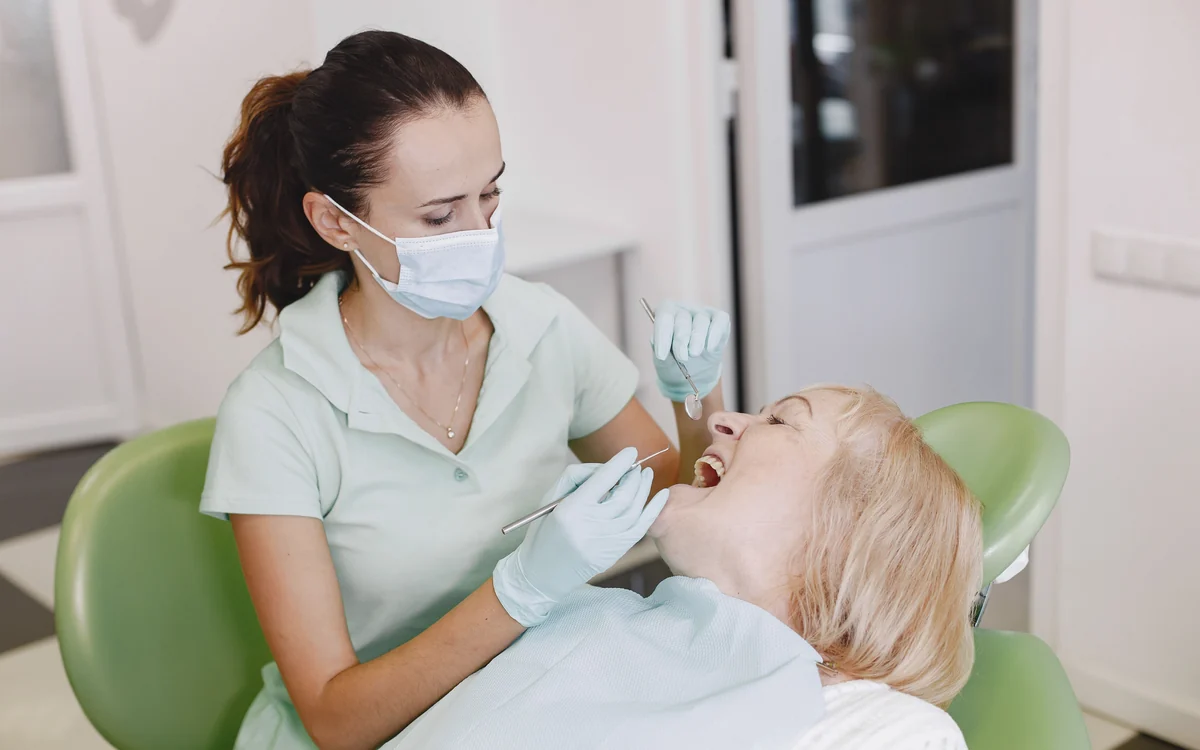
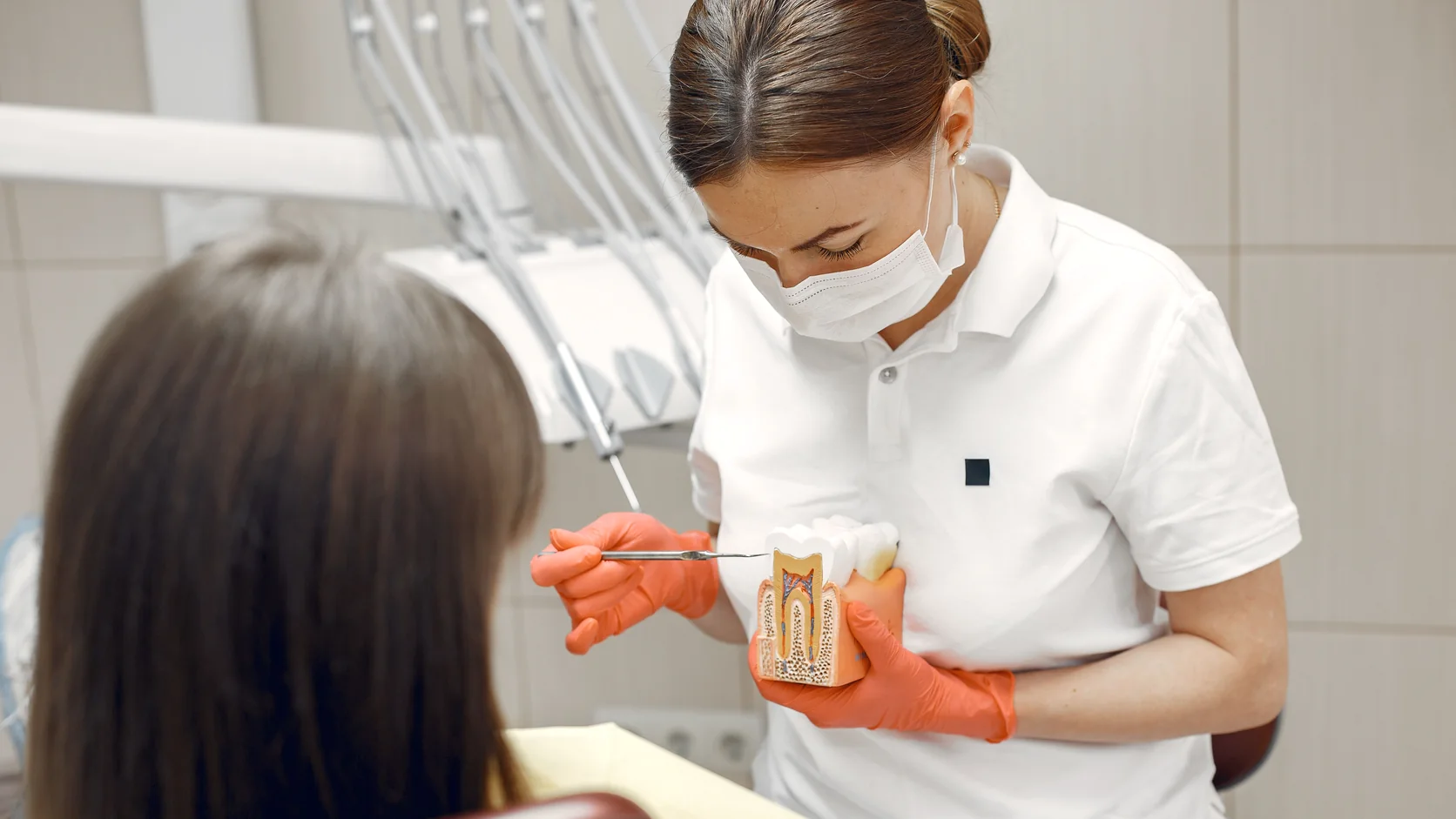
A post-treatment dental examination allows the dentist to assess the current condition of the mouth and identify concerns that may require attention.
The goal is to support oral health during recovery while considering the patient's cancer treatment history and ongoing medical needs.
Tell Your Dentist About Your Breast Cancer Treatment History
One of the most important steps is to share your complete and relevant medical history with your dentist.
Even if chemotherapy has finished, some medications or treatment-related effects may continue to influence dental care.
Your dentist may need to know:
When you were diagnosed with breast cancer
Which treatments you received
When chemotherapy ended
Whether you received radiation therapy and which area was treated
Whether you are still taking cancer-related medications
Whether you have received bisphosphonates or denosumab
Whether you experienced infections or significant oral complications
Whether your oncology team has advised any treatment precautions
Whether your blood counts or immune function have recovered, when relevant
You do not need to remember every medical detail.
If possible, bring a medication list or treatment summary provided by your oncology team.
This information can help your dentist decide whether routine care can proceed or whether additional medical coordination is necessary.
Can You Visit the Dentist After Chemotherapy?
Yes. Dental examinations and appropriate dental care are important after chemotherapy.
However, finishing chemotherapy does not automatically mean that every dental procedure can be performed immediately.
The timing depends on several factors, including:
Recovery of blood cell counts
Presence of ongoing oral infections
Healing of oral tissues
Current medications
General medical condition
Type of dental treatment required
For example, a routine examination may involve different considerations from a tooth extraction or implant procedure.
If your chemotherapy ended recently, your dentist may need to consult your oncology team before recommending invasive treatment.
There is no single waiting period that applies to every patient.
Discuss Persistent Dry Mouth After Cancer Treatment
Dry mouth, also known as xerostomia, can occur during certain cancer treatments.
For some patients, symptoms improve after treatment ends. Others may continue to experience dryness.
Saliva plays an important role in maintaining oral health.
It helps:
Keep the mouth moist
Support swallowing
Neutralise acids
Wash away food particles
Protect teeth against decay
Maintain comfortable oral tissues
Signs of Persistent Dry Mouth
You may notice:
A dry or sticky feeling in the mouth
Difficulty swallowing dry foods
Cracked lips
Thick saliva
Changes in taste
Bad breath
Increased tooth sensitivity
What Should You Ask Your Dentist?
Discuss whether you need:
Additional fluoride protection
Saliva substitutes or oral moisturisers
Adjustments to your oral hygiene routine
More frequent cavity monitoring
Assessment of medications that may contribute to dryness
Persistent dry mouth should not be ignored because it can increase the risk of dental decay.
Check for Cavities and Damaged Dental Restorations
Some patients find it difficult to maintain their usual oral hygiene routine during cancer treatment.
Mouth sores, fatigue, nausea and dry mouth can make brushing and interdental cleaning uncomfortable.
Changes in eating habits may also influence cavity risk.
After treatment, your dentist can assess:
New or existing cavities
Tooth sensitivity
Broken fillings
Damaged crowns
Areas of food trapping
Tooth wear
Signs of recurrent decay
Not every problem requires extensive treatment.
Some concerns may be managed with preventive measures, while others may require fillings, crowns or additional restorative care.
The appropriate approach depends on the condition of the tooth.
Discuss Gum Health and Bleeding
Gum health is another important topic during post-cancer dental care.
Some patients may have experienced gum inflammation or bleeding during treatment.
Chemotherapy can temporarily affect blood cell counts, including platelets, which are involved in clotting.
Although these effects may improve after treatment, persistent bleeding should be assessed.
Signs to Discuss With Your Dentist
Bleeding when brushing
Swollen gums
Gum tenderness
Persistent bad breath
Gum recession
Loose teeth
Discomfort when chewing
Your dentist may recommend a periodontal assessment to evaluate the gums and supporting structures.
If unusual bleeding continues, your dentist may also advise consultation with your medical team.
Tell Your Dentist About Bisphosphonates or Denosumab
This is one of the most important medical details to discuss.
Some patients with breast cancer receive medications that affect bone metabolism.
These may include:
Zoledronic acid and other bisphosphonates
Denosumab
Depending on the patient's medical condition, these medications may be prescribed for bone metastases, treatment-related bone loss or other bone-health indications.
In certain patients, they are associated with a condition called medication-related osteonecrosis of the jaw (MRONJ).
MRONJ involves areas of jawbone that do not heal normally.
Why Does This Matter for Dental Treatment?
Procedures involving the jawbone, particularly tooth extraction and some forms of oral surgery, may require additional assessment.
The risk depends on factors such as:
Medication type
Dose and treatment indication
Duration of treatment
Other medical conditions
Dental infection
Type of dental procedure
Patients receiving higher-dose bone-modifying treatment for metastatic cancer generally have different risk considerations from patients receiving osteoporosis-dose therapy.
What Should You Tell Your Dentist?
Inform your dentist if you currently take or have previously taken these medications, even if treatment has stopped.
Do not stop bisphosphonates or denosumab without advice from your prescribing medical team.
If an invasive procedure is needed, your dentist may need to coordinate with your oncologist or refer you to an appropriate specialist.
Can You Have a Tooth Extraction After Breast Cancer Treatment?
A tooth extraction may be possible after breast cancer treatment, but it requires individual assessment.
The dentist needs to consider:
Whether chemotherapy has ended
Recovery of blood counts
Current medications
Presence of infection
Healing capacity
Use of bone-modifying medications
Other medical conditions
Patients who have received certain antiresorptive medications may require particular precautions.
In some cases, an alternative to extraction may be considered if clinically appropriate.
However, an infected or severely damaged tooth should not be ignored.
The dentist and treating medical team should determine the safest appropriate treatment pathway.
Are Dental Implants Suitable After Breast Cancer Treatment?
Dental implants may be considered for some patients after breast cancer treatment.
However, suitability depends on individual medical and dental factors.
Your dentist or implant specialist may need to evaluate:
Jawbone condition
Gum health
Medical history
Current medications
Previous antiresorptive therapy
Healing capacity
Oral hygiene
Bite
Other relevant treatment-related risks
Patients with a history of high-dose antiresorptive therapy for cancer may face additional concerns regarding implant surgery.
A specialist assessment may therefore be required.
Dental implants should not be considered automatically suitable simply because chemotherapy has finished.
Can Breast Cancer Hormonal Therapy Affect Oral Health?
Some patients continue taking endocrine or hormonal therapy for several years after their initial breast cancer treatment.
Examples include:
Tamoxifen
Aromatase inhibitors such as anastrozole, letrozole or exemestane
These medications are used for specific types of hormone receptor-positive breast cancer.
Some endocrine therapies, particularly aromatase inhibitors, can contribute to bone density loss.
This may lead the oncology team to recommend bone-health monitoring or additional medication.
The relationship between endocrine therapy and dental health is complex, and not every patient develops oral problems.
However, patients should inform their dentist about all ongoing cancer-related medications.
This is especially important if bone-modifying medications are also prescribed.
Does Breast Radiation Therapy Affect Dental Treatment?
Radiation therapy directed at the breast or chest wall generally does not expose the teeth, salivary glands and jawbone to the same radiation doses associated with head-and-neck cancer treatment.
Therefore, the dental precautions associated with radiation directly involving the jaws should not automatically be applied to patients who received standard breast radiation.
However, patients should still inform their dentist about their radiation treatment history.
If radiation involved unusual treatment fields or other areas, the dentist may need further information from the oncology team.
Should You Get Professional Teeth Cleaning After Chemotherapy?
Professional dental cleaning may be appropriate after chemotherapy, depending on your medical condition and oral health.
A dental examination can help determine whether you need:
Routine scaling and polishing
Gum health assessment
Periodontal treatment
Oral hygiene guidance
Additional preventive care
If you have recently completed chemotherapy, have abnormal blood counts or are taking medications that affect healing or bleeding, your dentist may need to coordinate care with your medical team.
Routine cleaning should be based on your individual oral health needs rather than a fixed schedule for every cancer survivor.
What About Cosmetic Dental Treatments After Breast Cancer?
Some patients may consider cosmetic dentistry after completing cancer treatment.
Possible treatments include:
Teeth whitening
Dental veneers
Composite bonding
Dental crowns
Orthodontic treatment
However, cosmetic procedures should generally be considered after evaluating oral health and any ongoing medical treatment.
For example, persistent dry mouth, untreated decay, gum inflammation or active oral infections may need attention before elective cosmetic treatment.
Invasive procedures require additional consideration when the patient has received medications affecting bone healing.
Your dentist can explain which treatments are appropriate and whether medical consultation is necessary.
How Often Should Breast Cancer Survivors Visit the Dentist?
There is no single dental recall schedule that applies to every breast cancer survivor.
The appropriate frequency depends on:
Oral health status
Cavity risk
Gum health
Persistent dry mouth
Current medications
Existing restorations
Previous oral complications
Medical recommendations
Patients with significant dry mouth or increased cavity risk may benefit from more frequent preventive monitoring.
Others may be able to follow a routine dental examination schedule.
Your dentist can recommend a suitable interval after assessing your needs.
Daily Oral Care Tips After Breast Cancer Treatment
Maintaining consistent oral hygiene can help protect your teeth and gums during recovery.
Brush Twice Daily
Use fluoride toothpaste and a soft-bristled toothbrush unless your dentist recommends otherwise.
Clean Between Your Teeth
Use floss or an appropriate interdental cleaning method to remove plaque from areas that brushing may not reach.
Manage Dry Mouth
Sip water when medically appropriate and ask your dentist about suitable moisturising products.
Limit Frequent Sugary Snacks and Drinks
Frequent exposure to sugar can contribute to tooth decay, particularly when saliva production is reduced.
Monitor Your Gums
Pay attention to unusual bleeding, swelling, tenderness or changes in gum appearance.
Check Existing Dental Restorations
If you notice a broken filling, loose crown or persistent sensitivity, arrange a dental assessment.
Keep Your Medical History Updated
Tell your dentist whenever your medications or medical treatment plan changes.
When Should You Seek Dental or Medical Attention?
Contact your dentist if you experience:
Persistent toothache
New or worsening tooth sensitivity
Swollen or bleeding gums
Loose teeth
Broken fillings or crowns
Persistent dry mouth
Mouth sores that do not heal
Jaw discomfort or swelling
A mouth ulcer or unusual lesion that persists for more than two weeks should be professionally assessed, and concerning symptoms may warrant earlier evaluation.
Seek urgent medical attention for severe facial swelling, difficulty breathing or swallowing, uncontrolled bleeding, or fever when your oncology team has advised that infection risk remains elevated.
If you are taking or have taken bone-modifying medications and develop exposed jawbone or an extraction site that is not healing, contact your dental and medical teams promptly.
Frequently Asked Questions About Dental Care After Breast Cancer Treatment
A dental examination may be possible, but the timing of procedures depends on your recovery, current blood counts, medications and medical condition. Your dentist may need to coordinate with your oncologist.
Why Early Dental Follow-Up Matters After Breast Cancer Treatment
Post-treatment dental care can help identify oral health problems that may have developed during cancer therapy.
A dental assessment may help:
- Identify new cavities
- Monitor gum health
- Evaluate persistent dry mouth
- Assess existing restorations
- Review jawbone-related medication risks
- Provide preventive oral care recommendations
- Coordinate necessary treatment with the oncology team
Dental follow-up cannot prevent every complication, but it can support early identification and appropriate management of oral health concerns.
Why Choose WhiteLine Dental Clinic for Dental Care in Dubai?
At WhiteLine Dental Clinic in Al Rigga, Deira, Dubai, we recognise the importance of considering each patient's medical history when planning dental care.
For patients who have completed breast cancer treatment, dental assessment should take into account previous therapies, current medications and any ongoing medical precautions.
Our general dental services include:
Dental examinations
Teeth cleaning
Gum health assessment
Dental fillings
Root canal treatment
Dental crowns and bridges
Preventive oral health guidance
When clinically appropriate, the dentist may coordinate with the patient's treating oncologist or recommend referral to a specialist experienced in complex medical conditions.
Patients requiring specialised cancer-related oral care may need an oral medicine specialist, oral and maxillofacial surgeon or hospital-based dental service.
WhiteLine Dental Clinic provides general dental care and does not replace oncology follow-up or specialist cancer treatment.
Final Thoughts: Your Oral Health Matters After Breast Cancer Treatment
Completing breast cancer treatment is an important stage in recovery, but ongoing health monitoring remains essential.
Your dental care should reflect your current oral health and the treatments you have received.
Persistent dry mouth, gum problems, tooth decay and certain medication-related risks may require continued attention.
Before scheduling dental procedures, make sure your dentist understands your medical history, particularly any chemotherapy, ongoing cancer medication or bone-modifying treatment.
Good communication between you, your dentist and your oncology team can help ensure dental care is planned appropriately during recovery.
This Breast Cancer Awareness Month, WhiteLine Dental Clinic encourages patients and survivors to include oral health as part of their ongoing healthcare conversations.
Book an Oral Health Assessment at WhiteLine Dental Clinic
If you have completed breast cancer treatment and would like to discuss your oral health, arrange a dental consultation and inform our team about your treatment history and current medications.
Supporting your oral health through informed, coordinated dental care.
More from the journal.

Managing Dry Mouth and Mouth Sores During Cancer Treatment

Dental Care Before Chemotherapy: What Patients Should Know