Tooth Pain at Night in Dubai? Here's What Your Body Is Trying to Tell
Your body is trying to tell you something.

Your body is trying to tell you something.
Few things are more frustrating than tooth pain that seems manageable during the day but becomes unbearable at night. You're finally ready to rest, and suddenly the throbbing starts. The discomfort feels stronger, sleep becomes impossible, and you're left searching for answers.
Night-time tooth pain is often your body's way of telling you that something needs attention. Whether it's tooth decay, an infection, gum disease, or a damaged tooth, ignoring the symptoms can lead to more serious dental problems.
If you're experiencing persistent tooth pain in Al Rigga, Deira, or anywhere in Dubai, understanding the cause is the first step toward relief.
A dental infection should never be ignored. If you experience swelling, fever, or severe pain that interrupts sleep, seek emergency dental care immediately.
What's causing your tooth pain at night.
Tooth Decay May Have Reached the Nerve
A small cavity rarely causes severe pain initially. However, as decay progresses deeper into the tooth, it can reach the inner nerve tissue and trigger intense sensitivity or throbbing discomfort.
Common symptoms of deep decay:
Sharp pain when eating sweets
Sensitivity to hot or cold drinks
Persistent aching
Pain that worsens at night
Without treatment, decay may eventually require root canal treatment or extraction.
An Infected Tooth Could Be Developing
One of the most common causes of severe night-time tooth pain is a dental infection. When bacteria reach the inner pulp of a tooth, inflammation builds up and creates significant pressure and discomfort.
Signs of a dental infection:
Constant throbbing pain
Swelling around the tooth or face
Sensitivity when biting
Bad taste in the mouth
Facial swelling
A dental infection should never be ignored and may require urgent dental treatment.
Your Wisdom Teeth May Be Causing Problems
Wisdom teeth frequently cause discomfort when they erupt incorrectly or become trapped beneath the gums.
Common warning signs from wisdom teeth:
Pain at the back of the mouth
Swollen gums near the back teeth
Difficulty opening the jaw
Pain radiating to the ear or neck
An assessment by a dentist can determine whether wisdom tooth removal is necessary.
Gum Disease May Be Progressing
Bleeding gums, tenderness, and persistent bad breath are often early signs of gum disease. As inflammation progresses, the gums become more sensitive and cause discomfort that becomes noticeable during quiet evening hours.
Symptoms of advancing gum disease:
Bleeding while brushing
Red or swollen gums
Receding gums
Persistent bad breath
Loose teeth
Professional gum treatment can help stop progression and protect your long-term oral health.
A Cracked or Damaged Tooth Could Be Exposed
Even small cracks are capable of causing significant discomfort. When the inner layers of a tooth become exposed, hot, cold, or biting pressure can trigger sharp pain that becomes more noticeable at night.
Signs of a cracked tooth:
Pain when chewing
Sudden sensitivity to temperature
Sharp intermittent discomfort
Visible damage to the tooth surface
Early treatment can often preserve the tooth and prevent more extensive procedures.
Teeth Grinding During Sleep
Many people grind or clench their teeth without realising it. This condition, known as bruxism, places excessive pressure on the teeth and jaw throughout the night.
Common signs of teeth grinding:
Morning jaw pain or headaches
Worn or flattened teeth surfaces
Tooth sensitivity
Facial muscle tension
A custom night guard can often help reduce symptoms and protect your teeth from further wear.
Delaying Routine Dental Checkups
Sometimes the cause is not a single problem but a combination of issues that have developed over time. Regular dental checkups help catch problems before they become painful.
What routine checkups can detect:
Cavities in early stages
Gum disease progression
Cracks and micro-fractures
Infections and early abscess formation
Bite problems
Many dental emergencies can be prevented through preventive dentistry and routine examinations.
When should you contact a dentist?
You should contact a dentist immediately if you experience:
Severe or worsening tooth pain
Swelling around the tooth or face
Pain that interrupts sleep
Difficulty chewing or eating
Bleeding or swollen gums
Tooth sensitivity that persists for several days
Signs of infection or fever
If your symptoms are worsening, seeking prompt treatment can prevent complications and provide faster relief.
Why early treatment matters.
Tooth pain is rarely something that resolves permanently on its own. Conditions such as tooth decay, infection, gum disease, or cracked teeth typically worsen over time when left untreated.
Root canal treatment
Tooth extraction
Advanced gum disease
Dental abscesses
More extensive restorative procedures
The sooner a problem is diagnosed, the simpler and more affordable treatment is likely to be.
Frequently asked questions.
When lying down, increased blood flow to the head can place additional pressure on inflamed dental tissues, making pain feel more intense.
Why patients choose WhiteLine for dental emergencies.
Located in the heart of Al Rigga, Deira, WhiteLine Dental Clinic provides comprehensive dental care for families, professionals, and visitors across Dubai. Our DHA-licensed team is ready to help when you need urgent dental attention.
Experienced DHA-licensed dentists
Same-day emergency appointments available
Open 7 days a week
Convenient location near Al Rigga Metro Station
Modern diagnostic technology
Flexible payment options through Tabby and Tamara
Don't let tooth pain keep you awake.
Early diagnosis can relieve discomfort, protect your oral health, and prevent more complex treatment later. Book an appointment today.
More from the journal.

How Breast Cancer Treatment Can Affect Your Oral Health
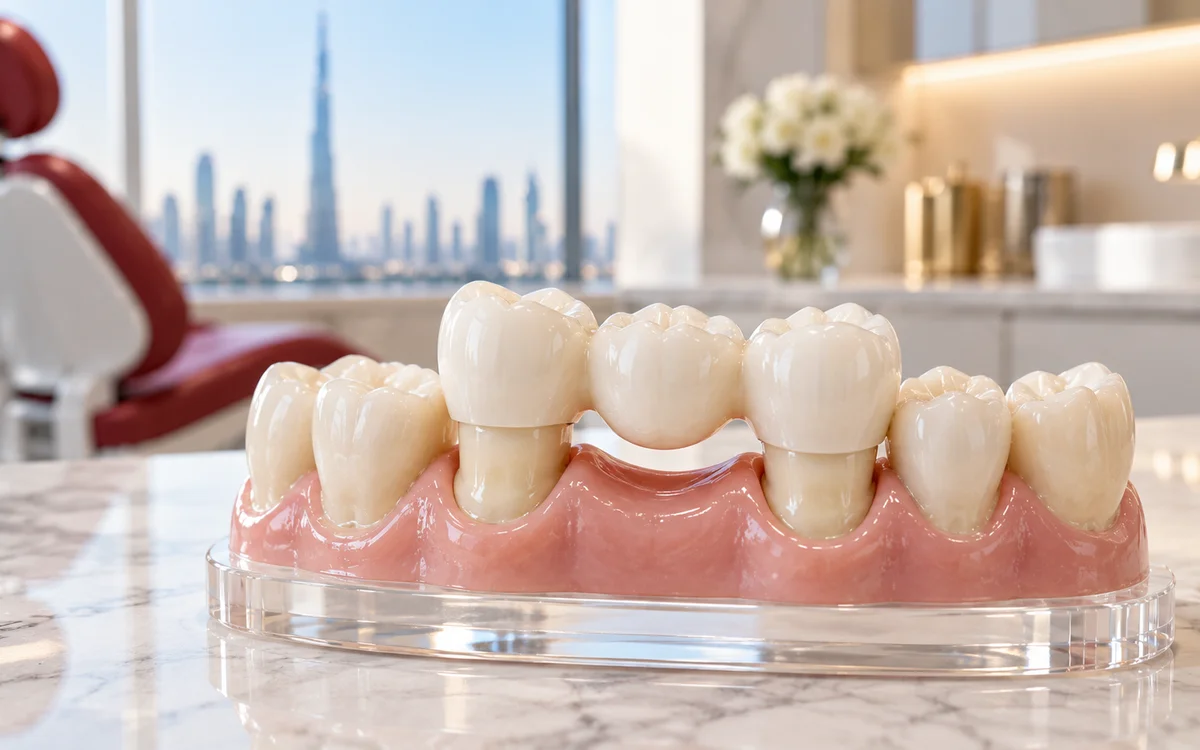
Dental Bridge in Dubai: Types, Cost Factors & What to Expect