Tooth Filling Cost in Dubai: What Affects the Price?
Understand what affects the cost of a dental filling.

Introduction
If your dentist has told you that you need a filling, one of your first questions may be:
“How much does a tooth filling cost in Dubai?”
There is no single price that applies to every dental filling.
The cost can vary depending on the size and location of the cavity, the number of tooth surfaces involved, the filling material, the condition of the tooth, and whether additional treatment is required.
A small cavity discovered during a routine dental checkup may require a relatively straightforward filling. A larger cavity affecting several surfaces of a tooth can require a more complex restoration. And if decay has reached the dental pulp, a simple filling may no longer be enough.
This guide explains what affects tooth filling cost in Dubai, when you may need a filling, what happens during treatment, and why treating tooth decay earlier can help prevent more extensive dental problems.
Your guide to tooth fillings and costs.
What Is a Dental Filling?
A dental filling is a restoration used to repair a tooth that has been damaged by decay, minor fracture, wear, or another structural defect.
When treating a cavity, the dentist removes the affected tooth structure and restores the resulting space using an appropriate dental material.
The aim is to restore the tooth's:
Shape
Function
Chewing surface
Structural integrity
Contact with neighbouring teeth
One commonly used material is composite resin, a tooth-coloured restorative material that can be selected to blend with the natural tooth.
The type of restoration recommended depends on the location and extent of the damage, the remaining tooth structure, bite forces and other clinical factors.
How Much Does a Tooth Filling Cost in Dubai?
The cost of a tooth filling in Dubai varies from patient to patient because not every cavity requires the same amount of treatment.
Several factors can influence the final cost:
Size of the cavity
Number of tooth surfaces involved
Location of the tooth
Filling material
Complexity of the restoration
Condition of the remaining tooth
Whether an X-ray or other diagnostic assessment is required
Whether additional treatment is needed
For example, restoring a small cavity on one surface of a tooth is different from rebuilding a tooth with decay affecting multiple surfaces.
This is why an accurate filling cost is usually provided after the dentist examines the tooth.
What Affects the Cost of a Tooth Filling in Dubai?
1. Size of the Cavity
The extent of tooth decay is one of the main factors affecting the complexity of a filling.
A small cavity generally requires less tooth preparation and restorative material than a large cavity.
If decay has destroyed a significant amount of tooth structure, a standard filling may not provide sufficient support.
In that situation, the dentist may need to discuss another type of restoration, such as a dental crown, depending on the condition of the tooth.
2. Number of Tooth Surfaces Involved
Dentists often describe fillings according to how many surfaces of the tooth require restoration.
For example, a cavity may involve:
One surface
Two surfaces
Three or more surfaces
A restoration involving several surfaces is generally more complex than a small single-surface filling.
The dentist must recreate the tooth's natural shape, contact points and chewing anatomy while ensuring the patient's bite remains comfortable.
3. Front Tooth vs Back Tooth
The location of the tooth can also influence treatment complexity.
Front Teeth
For visible front teeth, aesthetics can be particularly important.
The dentist may need to carefully select the composite shade and shape the restoration so that it blends with the surrounding tooth structure.
Back Teeth
Premolars and molars are exposed to significant chewing forces.
A posterior filling needs to restore the tooth's functional biting surface while maintaining appropriate contact with neighbouring teeth.
The size and position of the cavity can therefore affect the complexity of treatment.
4. Filling Material
Different materials can be used for dental restorations.
For many visible restorations, tooth-coloured composite resin may be considered.
The appropriate material depends on factors such as:
Tooth location
Size of the restoration
Remaining tooth structure
Bite
Aesthetic requirements
Moisture control
Dentist's clinical assessment
The material selected can influence the overall treatment cost.
5. Depth of Tooth Decay
Not every cavity is limited to the outer layers of the tooth.
As decay progresses deeper into the tooth, it may approach or reach the dental pulp—the central part of the tooth containing nerves and blood vessels.
This distinction is important.
Early or Moderate Decay
The tooth may be suitable for a dental filling depending on the extent of the cavity.
Deep Decay
A more extensive restoration or additional assessment may be required.
Decay Reaching the Pulp
If the pulp becomes inflamed or infected, root canal treatment may be required instead of simply placing a filling.
This is one reason delaying treatment can turn a relatively straightforward dental problem into a more complex one.
What Are the Signs You May Need a Tooth Filling?
Dental decay does not always cause symptoms in its early stages.
However, possible signs include:
Tooth sensitivity
Sensitivity to hot or cold
Discomfort when eating sweet foods
Pain when biting
A visible hole or dark area on the tooth
Food repeatedly getting stuck in one area
Rough or damaged tooth surfaces
A chipped or broken existing filling
Toothache
However, symptoms alone cannot determine whether you need a filling.
Some cavities are discovered during routine dental examinations before the patient experiences significant discomfort.
Can a Cavity Go Away Without a Filling?
This depends on how far the decay process has progressed.
Very early changes in tooth mineralisation may sometimes be managed with preventive measures under professional guidance.
However, once a physical cavity has formed and tooth structure has been lost, the tooth generally requires restorative assessment.
A cavity does not simply "grow back."
This is why detecting decay early is important.
Your dentist can determine whether an area requires:
Monitoring
Preventive care
Fluoride-based management
A filling
Another restorative treatment
What Happens During a Tooth Filling?
The exact procedure depends on the tooth and the size of the restoration.
A typical filling appointment may include the following steps.
Step 1: Dental Examination
The dentist examines the tooth and assesses the extent of the damage.
A dental X-ray may be recommended in some cases to evaluate areas that cannot be fully assessed through visual examination alone.
Step 2: Local Anaesthesia
Local anaesthetic may be used when appropriate to make the treatment more comfortable.
Whether anaesthesia is required depends on the depth and location of the restoration and the individual patient.
Step 3: Removal of Decay
The dentist removes the decayed or damaged tooth structure while preserving healthy tooth structure where possible.
Step 4: Preparing the Tooth
The tooth is cleaned and prepared for the selected restorative material.
For composite fillings, keeping the treatment area appropriately isolated from moisture is an important part of the bonding procedure.
Step 5: Placing the Filling
The restorative material is placed and shaped to rebuild the missing portion of the tooth.
With composite restorations, the material is generally applied and cured according to the restorative technique being used.
Step 6: Bite Adjustment
The dentist checks how your upper and lower teeth meet.
If the filling feels too high when you bite, adjustments can be made.
Step 7: Finishing and Polishing
The restoration is finished and polished to create an appropriate contour and surface.
How Long Does a Tooth Filling Take?
Treatment time depends on:
Size of the cavity
Number of surfaces involved
Tooth location
Number of teeth being treated
Type of restorative material
Complexity of the procedure
A relatively small filling may require less treatment time than rebuilding a larger portion of a tooth.
Your dentist can give you a more specific estimate after examining the affected tooth.
Does Getting a Tooth Filling Hurt?
Local anaesthesia can be used when necessary to reduce discomfort during treatment.
After a filling, some patients may temporarily notice:
Mild sensitivity
Awareness of the restored tooth
Sensitivity when biting
Sensitivity to temperature
This does not necessarily mean something is wrong.
However, you should contact your dentist if you experience persistent or increasing pain, swelling, severe sensitivity, or a bite that feels noticeably uneven.
The dentist may need to examine the tooth and restoration.
Tooth Filling vs Root Canal: What's the Difference?
This is an important distinction, particularly when considering treatment cost.
A dental filling primarily restores tooth structure damaged by decay or minor structural problems.
A root canal treatment addresses inflammation or infection involving the pulp inside the tooth.
In simplified terms:
Decay affecting restorable tooth structure → A filling may be appropriate
Decay or infection involving the pulp → Root canal treatment may be required
However, only a dental examination can determine which treatment is appropriate.
Waiting until a cavity becomes painful can increase the possibility that the problem has progressed beyond a straightforward filling.
Tooth Filling vs Dental Crown
A filling and a crown also serve different purposes.
Dental Filling
A filling replaces a specific area of missing or damaged tooth structure.
Dental Crown
A crown covers a larger portion of the tooth and may be recommended when the remaining tooth requires greater structural protection.
A crown may be considered when:
A significant amount of tooth structure has been lost
The tooth has a very large existing restoration
The tooth is fractured or weakened
The tooth has undergone certain types of root canal treatment
A filling would not provide adequate restoration
The dentist will assess how much healthy tooth structure remains before recommending the appropriate option.
Is a Tooth-Coloured Composite Filling Suitable for Everyone?
Composite fillings are commonly used, but no restorative material is automatically suitable for every tooth.
Your dentist will consider:
Cavity size
Tooth location
Bite forces
Moisture control
Remaining tooth structure
Aesthetic requirements
Existing restorations
For larger areas of tooth damage, another type of restoration may sometimes be more appropriate.
How Long Do Dental Fillings Last?
There is no guaranteed lifespan for a dental filling.
How long a restoration remains functional can depend on:
Size of the filling
Tooth location
Filling material
Bite forces
Teeth grinding or clenching
Oral hygiene
Diet
Recurrent decay
Condition of the surrounding tooth
Regular dental care
A larger restoration may experience different stresses than a small filling.
Regular dental examinations allow your dentist to check existing fillings for wear, fractures, marginal changes or recurrent decay.
Can a Filling Fall Out?
Yes. A dental filling can become loose, fracture or fall out.
Possible contributing factors include:
Wear over time
New decay around the restoration
Biting very hard foods or objects
Teeth grinding or clenching
Fracture of the surrounding tooth
Breakdown of an older restoration
If a filling falls out, arrange a dental assessment rather than leaving the tooth untreated.
The exposed area may become sensitive and can be more vulnerable to further damage.
How Can You Reduce the Risk of Needing More Fillings?
Not every cavity can be prevented, but good oral-health habits can reduce your risk.
Brush Twice Daily
Use fluoride toothpaste and brush thoroughly twice a day unless your dentist advises otherwise.
Clean Between Your Teeth
Cavities can develop between teeth where a toothbrush may not clean effectively.
Use floss or another interdental cleaning method recommended by your dentist.
Limit Frequent Sugary Foods and Drinks
How frequently teeth are exposed to sugars can contribute to the development of tooth decay.
Attend Regular Dental Checkups
Routine examinations can help identify dental problems before they become more extensive.
Have Professional Cleaning When Recommended
Professional cleaning can help remove deposits that are difficult to eliminate through normal brushing and interdental cleaning.
Why Early Treatment Matters
One of the most important factors affecting the eventual cost of treating tooth decay is how far the problem has progressed.
A small cavity may be manageable with a relatively conservative restoration.
If decay continues to progress, treatment can become more extensive.
For example:
Early decay → Preventive management may be possible
Cavity → Dental filling may be required
Extensive structural damage → Crown or another restoration may be considered
Pulp involvement → Root canal treatment may be required
Severely compromised tooth → Extraction may sometimes become necessary
This progression is not inevitable in every case, but it illustrates why dental problems are generally easier to manage when identified early.
Frequently Asked Questions About Tooth Fillings in Dubai
The cost varies depending on the size and location of the cavity, number of surfaces involved, filling material, complexity and whether additional dental treatment is required. An examination allows the dentist to provide a treatment-specific quotation.
Why Choose WhiteLine Dental Clinic for Tooth Fillings in Dubai?
At WhiteLine Dental Clinic in Al Rigga, Deira, Dubai, dental fillings are provided as part of the clinic's general and restorative dental services.
Treatment begins by assessing the tooth and determining the extent of the decay or damage.
Depending on your individual dental needs, WhiteLine also provides services including:
Dental fillings
Teeth cleaning
Root canal treatment
Dental crowns
Dental bridges
Tooth extraction
Dental implants
Dental veneers
Teeth whitening
Braces
Invisalign
If you have tooth sensitivity, a suspected cavity, a broken filling or tooth pain, an examination can help determine whether you need a filling or another form of treatment.
Final Thoughts: What Determines Tooth Filling Cost in Dubai?
There is no universal tooth filling price in Dubai because the treatment required for one cavity can be very different from another.
The main factors affecting cost include:
Size and depth of the cavity
Number of tooth surfaces involved
Location of the tooth
Type of filling material
Complexity of the restoration
Condition of the remaining tooth
Whether additional treatment is required
More importantly, waiting for a cavity to become painful may allow the problem to progress. If you suspect you have tooth decay or have been advised that you need a filling, a dental examination can determine how much of the tooth is affected and what treatment is appropriate.
Book a Dental Filling Consultation in Al Rigga, Dubai
Have a cavity, tooth sensitivity, damaged filling or pain when chewing?
Book an appointment to have the tooth assessed before the problem becomes more extensive.
More from the journal.
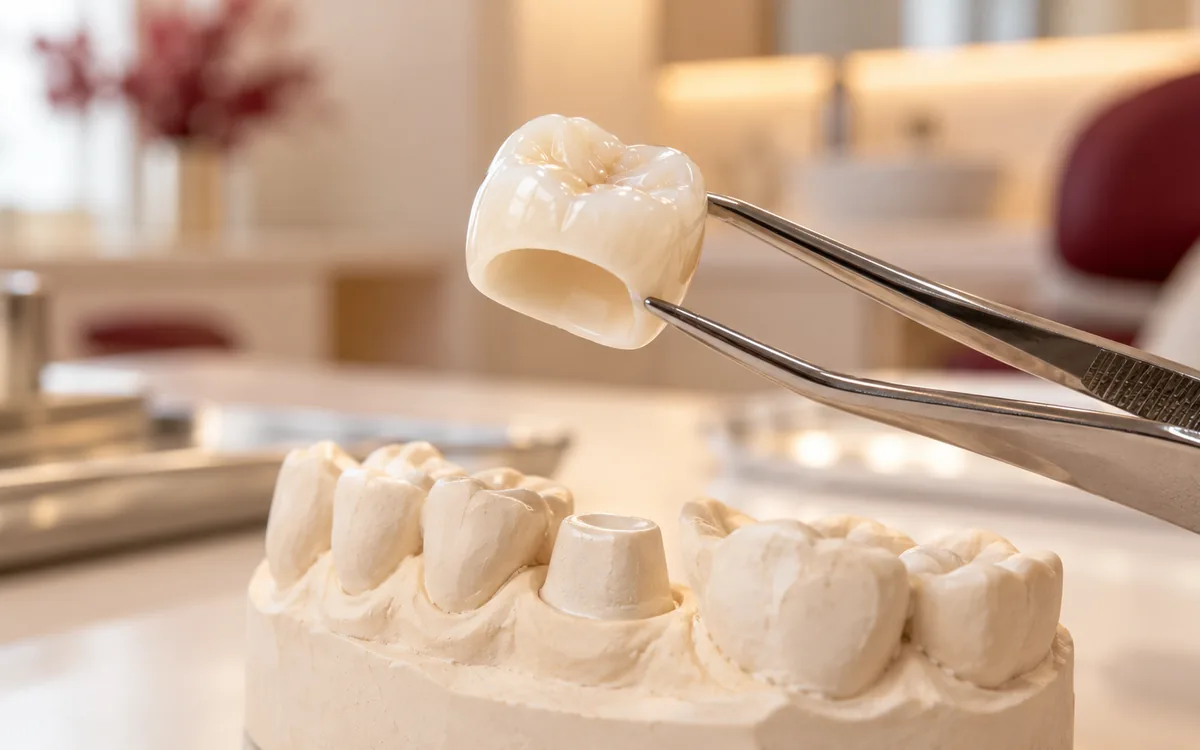
Zirconia Crowns in Dubai: Benefits, Uses & How They Compare With Other Crowns
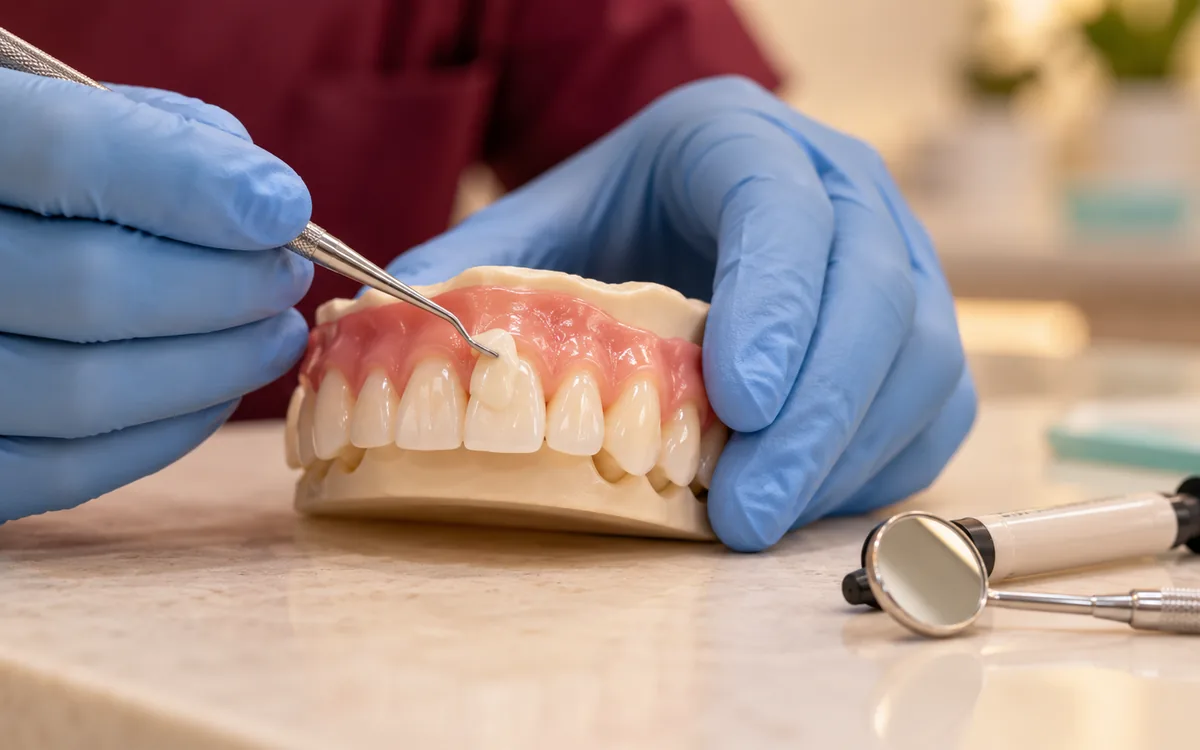
Composite Veneers in Dubai: What They Are, Who They Suit & How They Compare